Short Term Programs
Short initiatives for 3 to 6 months, focused on a single stream of waste that help people adopt eco friendly habits, reduce waste, and make a positive difference — quickly and simply, one step at a time.
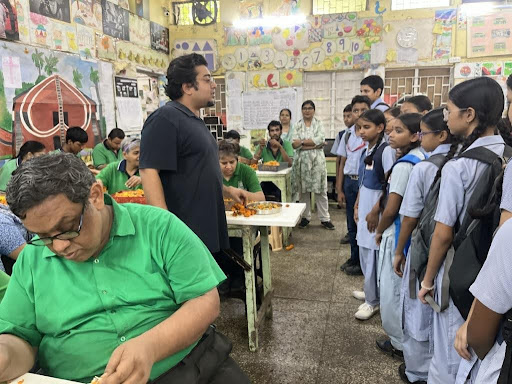
Ab Badlenge Hum is a 6 months program for Educational Institutions(Schools & Colleges), Communities ,Corporates and markets.
Ab Badlenge Hum 1.0 – Plastic
Inspiring change, one plastic item at a time.
Launched in 2021 across schools, communities, and markets, Ab Badlenge Hum 1.0 aims to shift mindsets about plastic and motivate action for a cleaner, healthier planet.
Through a focus on the 3Rs for Plastic, we empower people to rethink their habits:
- Refuse: Say “no” to single‑use plastic items — straws, water bottles, disposables — that last for centuries.
- Reuse: Choose cloth bags over plastic carriers (our “Cool Jee” bags have become a symbol of this shift).
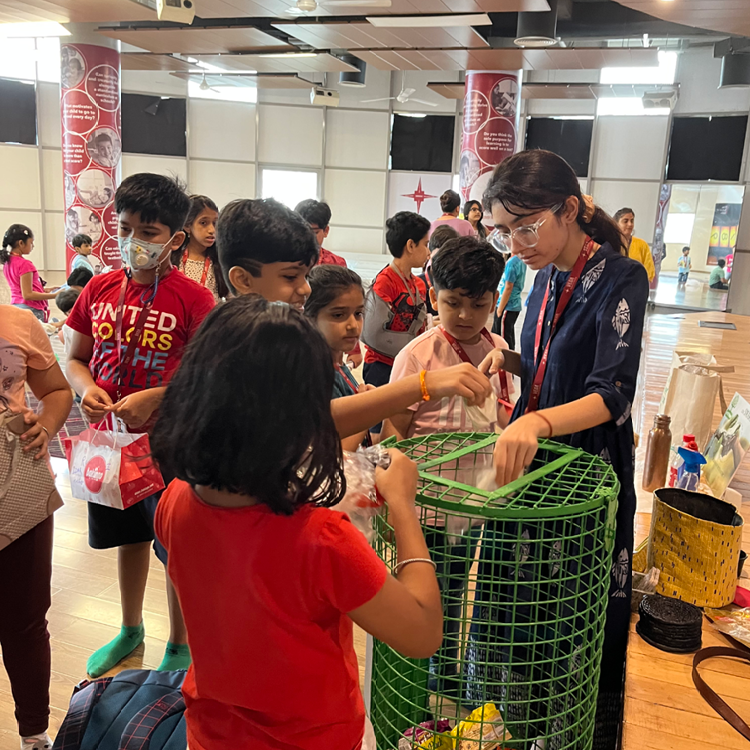
- Recycle: Give hard and soft plastics a new life. Our “Punji Ka Thela” and “Green Gulak” make it easy to collect and channel waste for upcycling and recycling.
With Ab Badlenge Hum, every action counts. Together, we can create a wave of behavior change — making plastic waste a thing of the past.
Ab Badlenge Hum 2.0 – Paper
Rewriting the story for the paper, one sheet at a time.
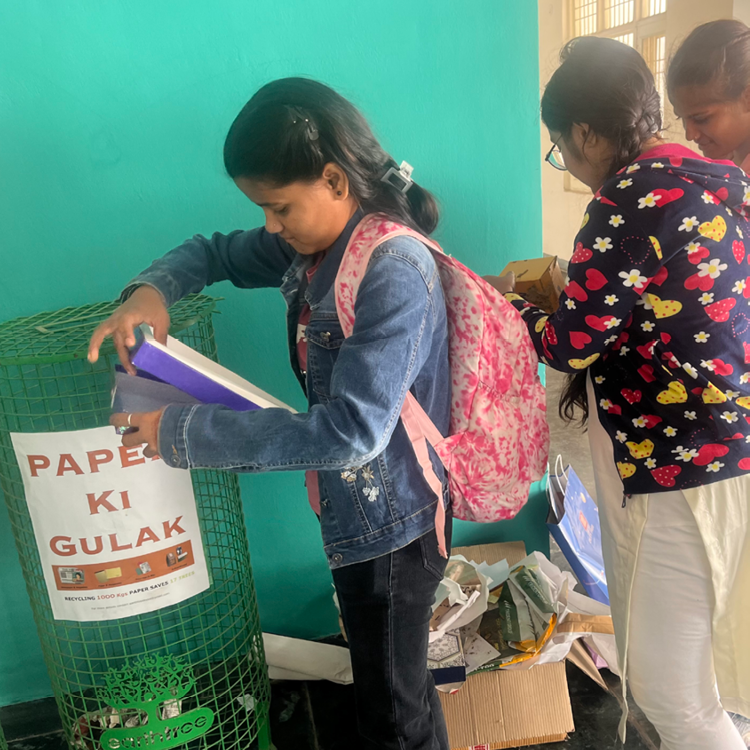
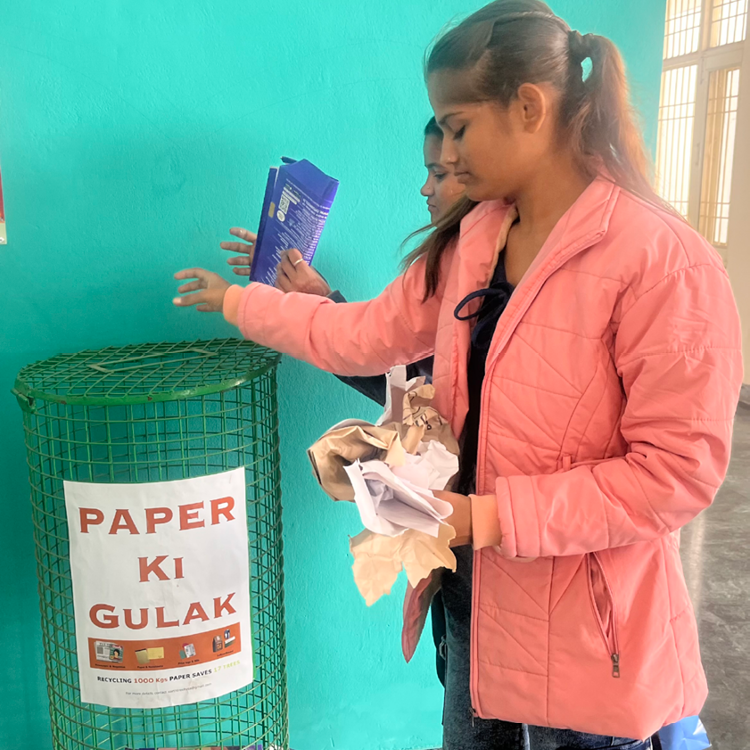
Launched in 2023, Ab Badlenge Hum 2.0 shines a spotlight on the unseen cost of paper — and its role in environmental destruction. Did you know? Recycling one tonne of paper can save 17 trees!
This initiative inspires students and communities to adopt the 3Rs for Paper:
- Refuse: Reduce paper usage and say “no” to paper bags.
- Reuse/Repurpose: Get creative with leftover paper and give it a second life.
- Recycle: Collect every piece — even the tiniest scraps — in the Green Gulak, making sure no paper goes to waste
Community E‑Waste Programs
E‑waste might be a small fraction of household waste, but it’s one of the most toxic, carrying rare metals and releasing pollutants that impact both health and the environment. Yet over 90% of e‑waste recycling happens in the unorganised sector.
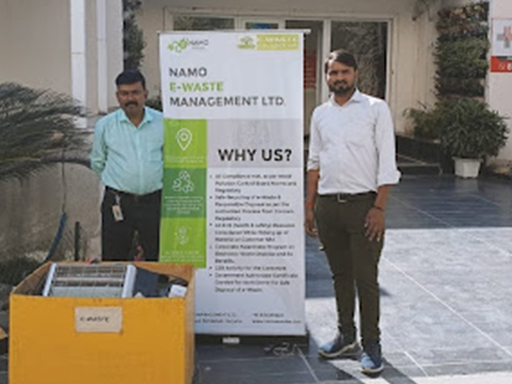
To bridge this gap, Earthtree created the E‑Waste Collectives initiative, partnering with authorised recyclers like Namo E‑Waste and mobilising communities across neighbourhoods.
What we do:
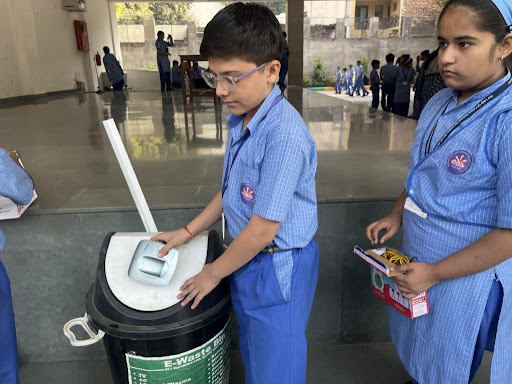
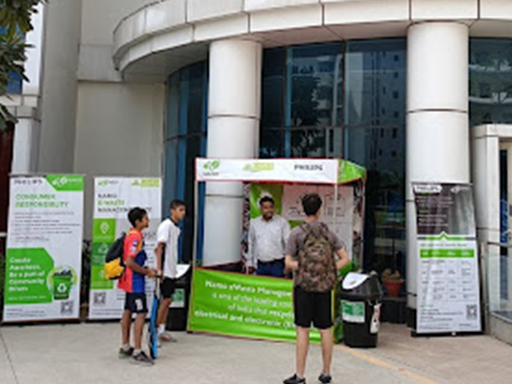
- Install e‑waste bins in communities and organise monthly collections.
- Build awareness about the impacts of e‑waste and the importance of recycling.Organise special e‑waste drives and mobilise waste champions to educate their neighbourhoods.
- Organise special e‑waste drives and mobilise waste champions to educate their neighbourhoods.
Impact so far:
- 50+ communities engaged.
- Over 10,000 kg of e‑waste collected and recycled responsibly every year.
- Reduced toxic waste from landfills and dumps.
Through the E‑Waste Collectives initiative, we turn a growing urban challenge into an opportunity for environmental health and resource recovery — making responsible e‑waste disposal a way of life.
Saccha Sona – Turning Dry Leaves into “Green Gold”
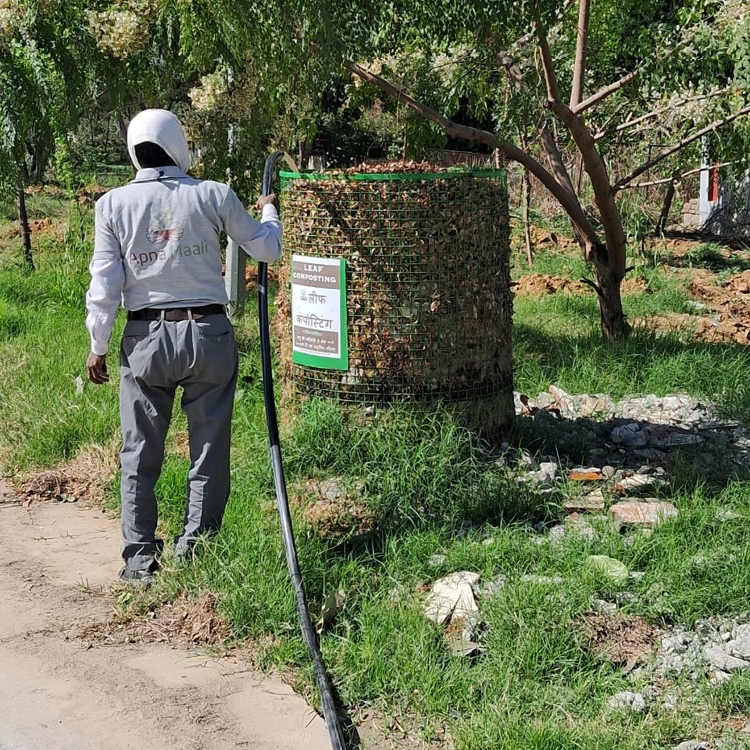
Dry leaves — one of the simplest yet most wasted resources — often end up burned or dumped, releasing pollutants and robbing the soil of its natural nutrients. What if we could give these leaves a second life, turning waste into rich, life‑giving compost?
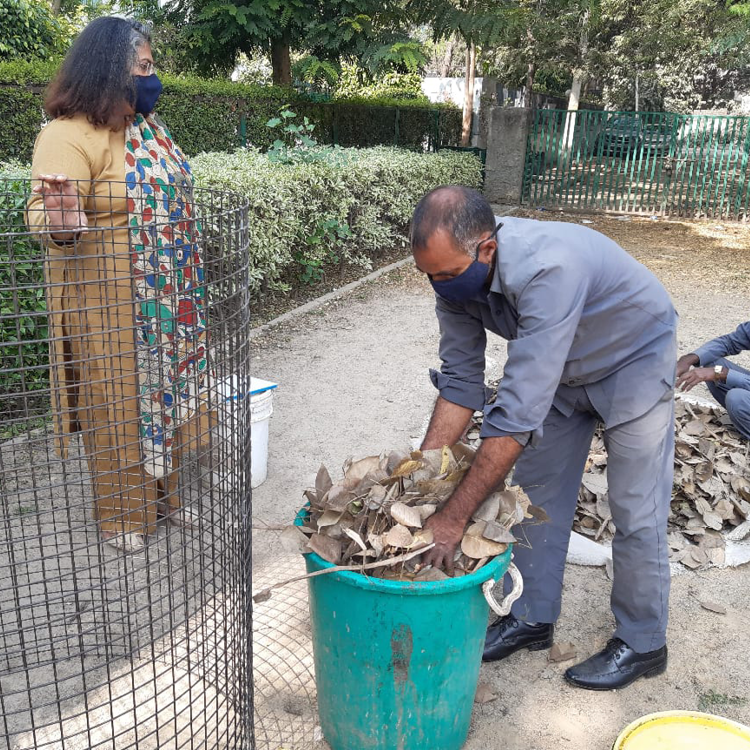
Saccha Sona is a 6‑month hands‑on program designed for RWAs, schools, colleges, and institutions with green spaces. Together, we transform dry leaves into “green gold” — compost that restores soil health and reduces air pollution.
What we do:
- Build Capacity: Train the horticulture team to manage leaves sustainably.
- Provide Tools: Share easy‑to‑follow SOPs and a DIY composting toolkit.
- Guide & Monitor: Stay connected with regular site visits to review progress and ensure best practices.
Why it matters:
- Returns vital nutrients to the soil
- Reduces waste sent to landfill or burned illegally
- Improves air quality and green space health
- Enables communities to save on waste disposal costs
Leaf Compost is carbon rich Soil Facts :
- To sustain agriculture minimum organic content in soil should be 3%.
- 62% of India has less than 0.5% of organic carbon
- 2% increase in carbon content of soil can off set 100% of the GHG going into the atmosphere
Ab Badlenge Hum is a 6-month program for Educational Institutions (Schools & Colleges), Communities, Corporates and Markets.
Ab Badlenge Hum 1.0 – Plastic
Inspiring change, one plastic item at a time.
Launched in 2021 across schools, communities, and markets, Ab Badlenge Hum 1.0 aims to shift mindsets about plastic and motivate action for a cleaner, healthier planet.
Through a focus on the 3Rs for Plastic, we empower people to rethink their habits:
- Refuse: Say “no” to single‑use plastic items — straws, water bottles, disposables — that last for centuries.
- Reuse: Choose cloth bags over plastic carriers (our “Cool Jee” bags have become a symbol of this shift).
- Recycle: Give hard and soft plastics a new life. Our “Punji Ka Thela” and “Green Gulak” make it easy to collect and channel waste for upcycling and recycling.
With Ab Badlenge Hum, every action counts. Together, we can create a wave of behaviour change — making plastic waste a thing of the past.
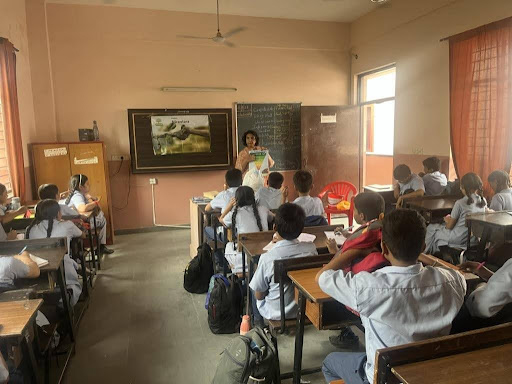
Ab Badlenge Hum 2.0 – Paper
Rewriting the story for the paper, one sheet at a time.
Launched in 2023, Ab Badlenge Hum 2.0 shines a spotlight on the unseen cost of paper — and its role in environmental destruction. Did you know? Recycling one tonne of paper can save 17 trees!
This initiative inspires students and communities to adopt the 3Rs for Paper:
- Refuse: Reduce paper usage and say “no” to paper bags.
- Reuse/Repurpose: Get creative with leftover paper and give it a second life.
- Recycle: Collect every piece — even the tiniest scraps — in the Green Gulak, making sure no paper goes to waste.
GREEN E – Green the E-waste
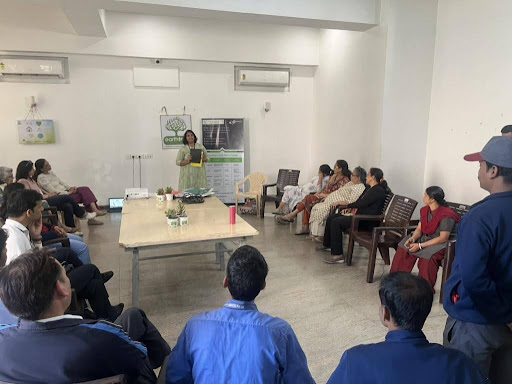
- Launched in 2024, Green E – Green the E-waste is a focused initiative promoting responsible recycling of electronic waste through awareness and action.
- Objective: To address the urgent challenge of rising e-waste by encouraging safe disposal practices and sustainable alternatives.
- Program Design:
- Runs as a three-month, short-term program with two dedicated sessions.
- Tailored for educational institutions and corporate organisations to create early awareness and workplace accountability.
- Why Green E Matters:
- India is among the top generators of e-waste, much of which is improperly discarded.
- Toxic chemicals from unsafe disposal harm health, soil, and water systems.
- Limited awareness about recycling channels and product life cycles worsens the issue.
- Program Highlights:
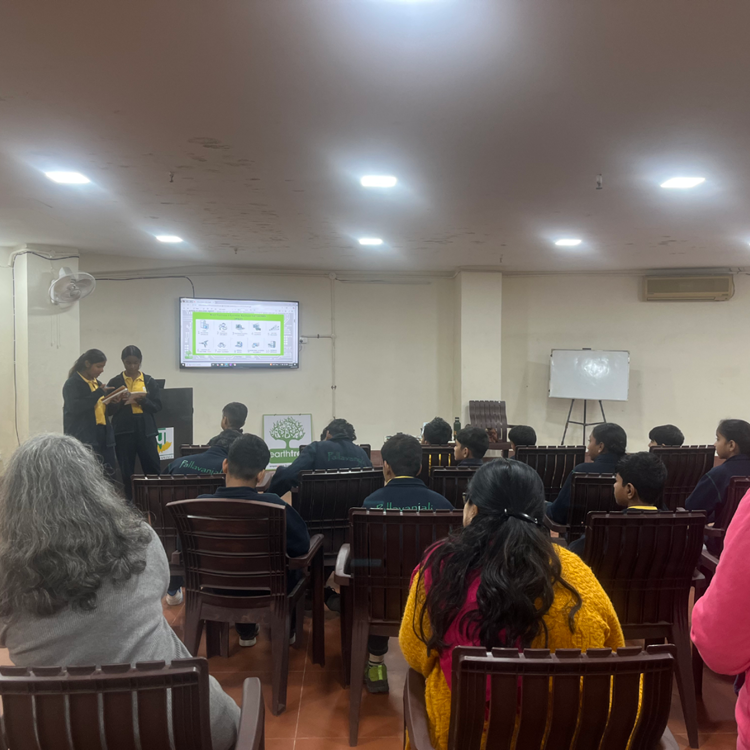
- Interactive workshops explaining the life cycle of electronic products.
- Knowledge-sharing modules on the hazards of unsafe disposal.
- Community activities promoting collective responsibility.
- Impact:
- Equips participants with practical tools to handle e-waste responsibly.
- Builds a culture of accountability in schools and workplaces.
- Empowers individuals and organisations to become active contributors toward a cleaner, greener future.
Saccha Sona – Turning Dry Leaves into “Green Gold”
Dry leaves — one of the simplest yet most wasted resources — often end up burned or dumped, releasing pollutants and robbing the soil of its natural nutrients. What if we could give these leaves a second life, turning waste into rich, life‑giving compost?
Launched in 2021, Saccha Sona is a 6‑month hands‑on program designed for RWAs, schools, colleges, and institutions with green spaces. Together, we transform dry leaves into “green gold” —  carbon-rich compost that restores soil health and reduces air pollution.
What we do:
- Build Capacity: Train the horticulture team to manage leaves sustainably.
- Provide Tools: Share easy‑to‑follow SOPs and a DIY composting toolkit.
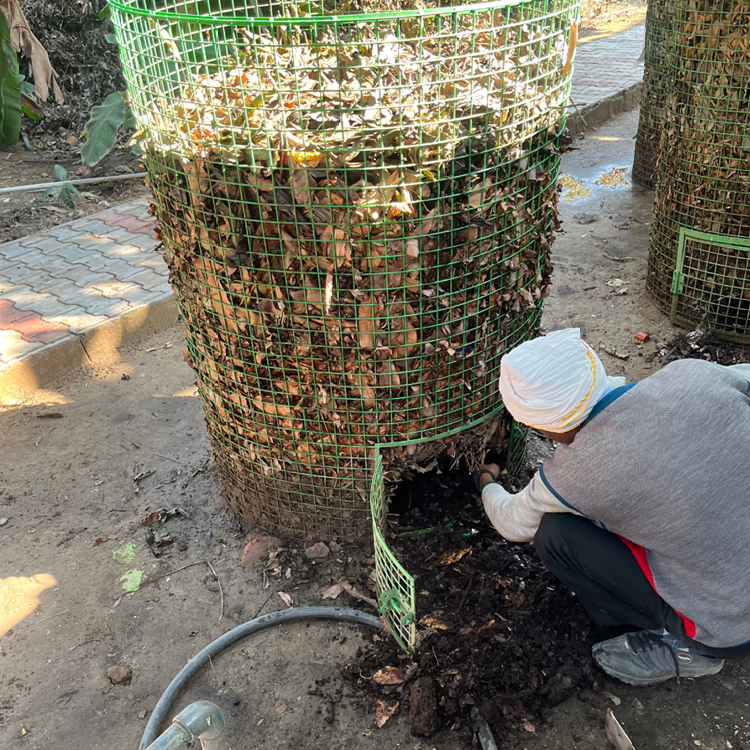
- Guide & Monitor: Stay connected with regular site visits to review progress and ensure best practices.
Why it matters:
- Returns vital nutrients to the soil.
- Reduces waste sent to landfills or burned illegally.
- Improves air quality and green space health.
- Enables communities to save on waste disposal costs.
SOIL FACTS:
- To sustain agriculture, minimum organic content in soil should be 3%.
- 62% of Indian soil India has less than 0.5% of organic carbon.
- 2% increase in the carbon content of soil can offset 100% of the GHG going into the atmosphere.