Long Term Programs

Guiding communities, schools/colleges, and organisations to embrace sustainability through hands‑on programs that create lasting habits and meaningful change for a better future.
Programs for minimum 1 year focused on capacity building, creating green hearts, enabling circularity and making measurable impact.

‘Going Circular’ program creating Zero Waste schools & colleges

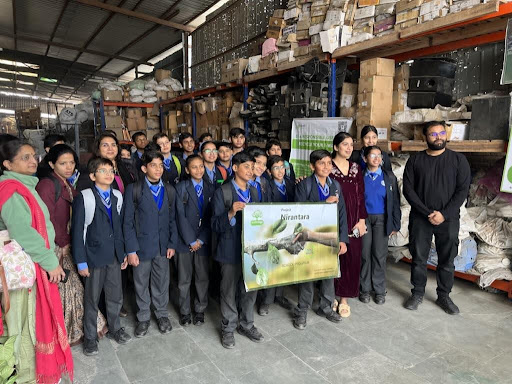
Project Nirantara - Schools /Colleges

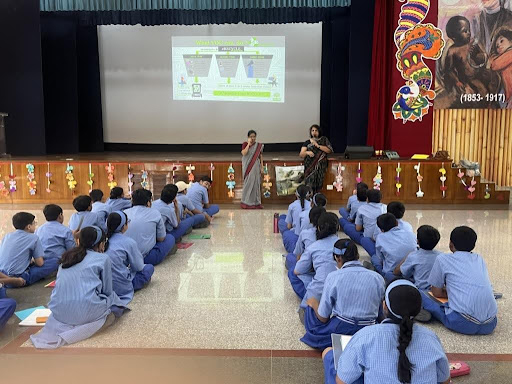
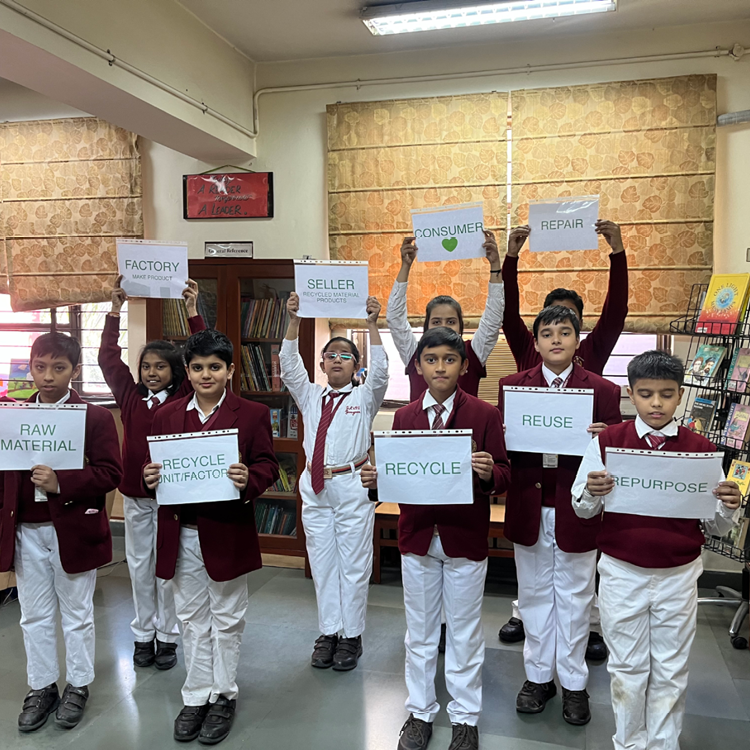
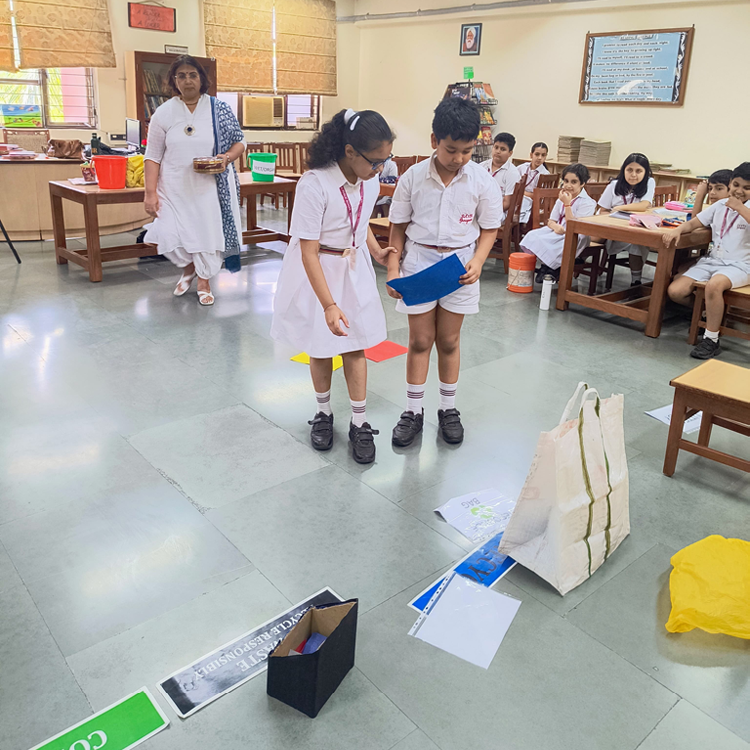
Schools consume huge amounts of paper, plastic, food, and electronics every day, yet very little of this waste finds its way to reuse or recycling. Meanwhile, schools have the unique opportunity to shape the mindset of future generations and contribute to creating a lasting culture of sustainability.

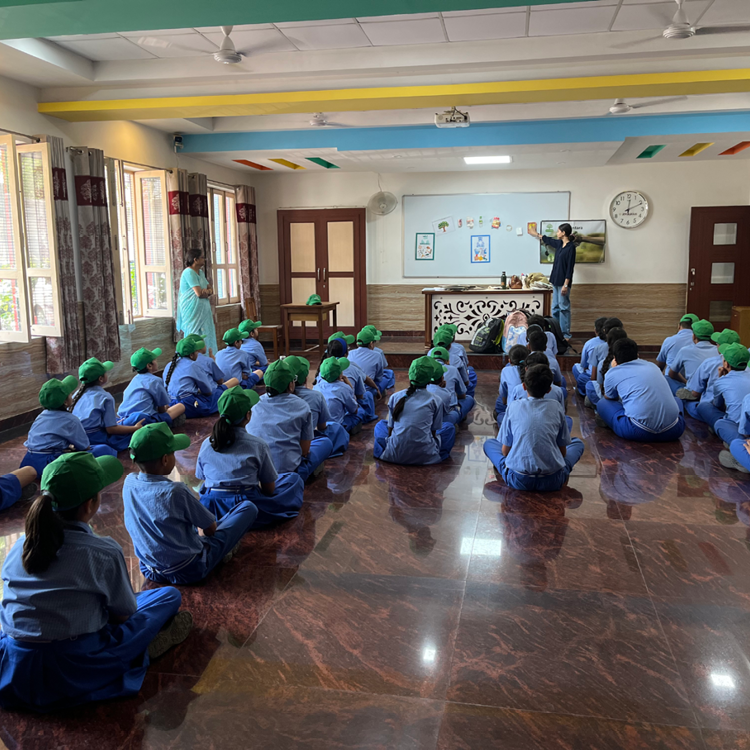
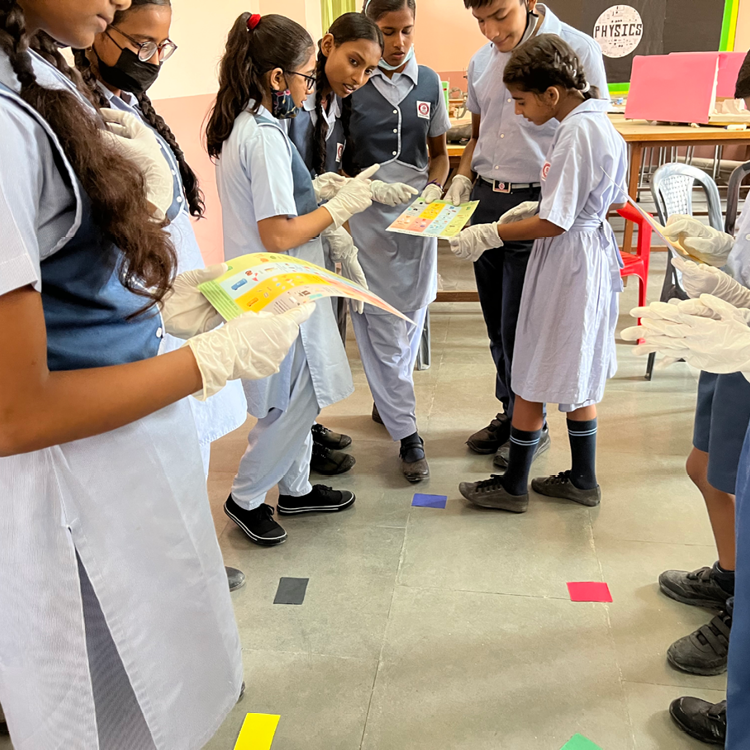
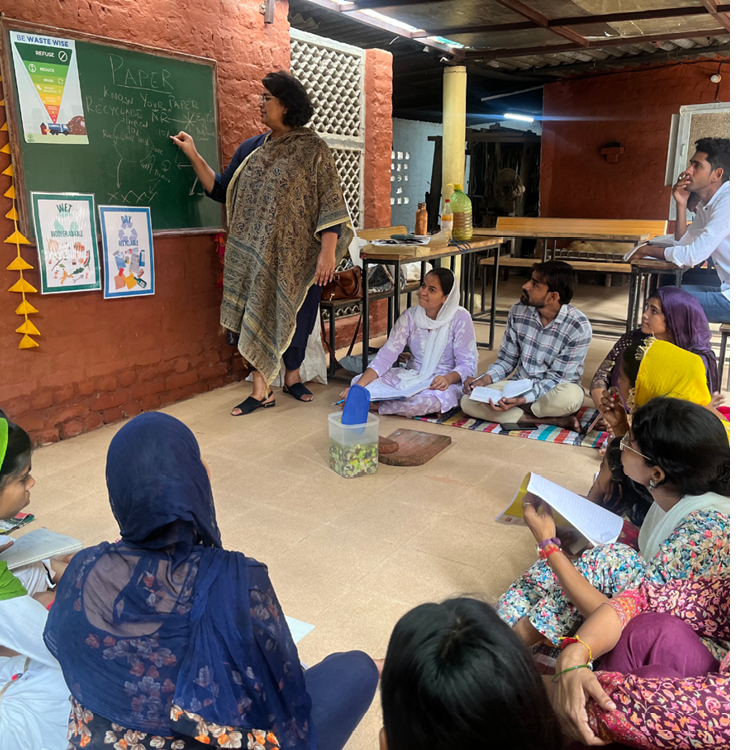
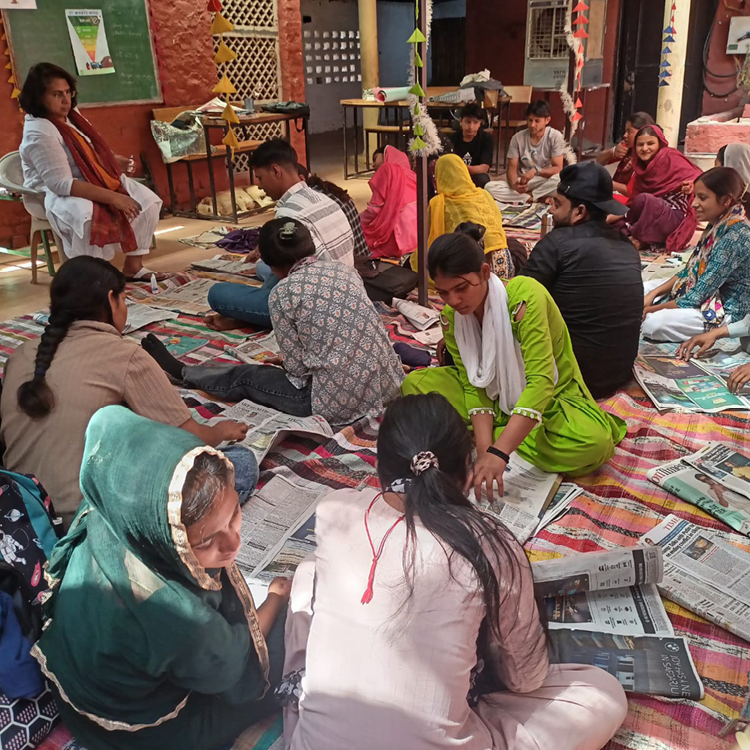
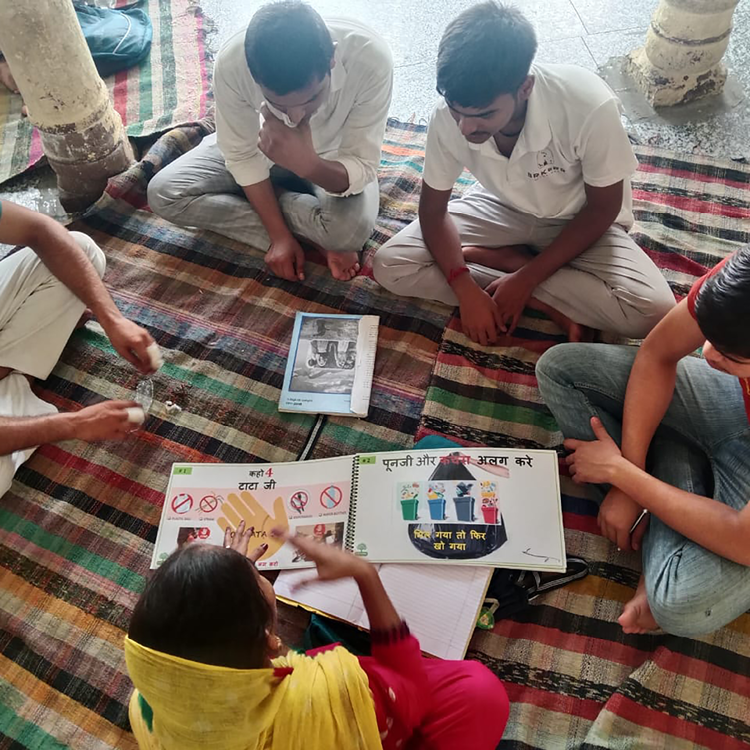
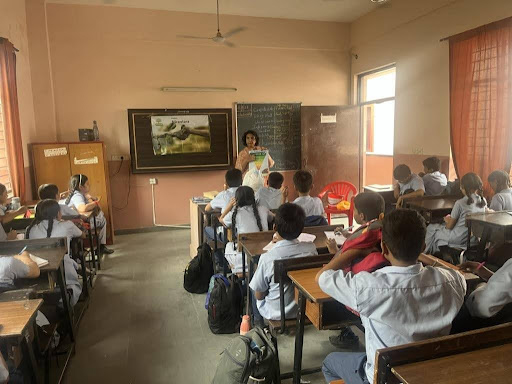
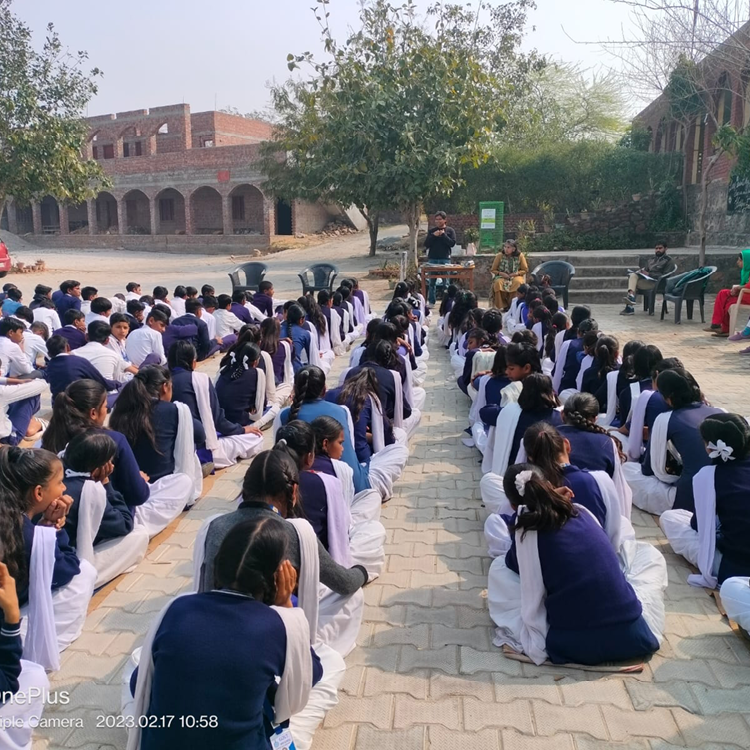
Through Project Nirantara, launched in 2021, we partner with schools for 2–3 years to help shift from a ‘linear’ to a ‘circular’ mindset. We work hand‑in‑hand with students, teachers, and staff to rethink waste as a resource and build a Zero Waste campus.

How it works:

  • Student Changemakers are identified and nurtured to lead waste action.
  • Build awareness of the impact of waste and the 7Rs (Rethink, Refuse, Reduce, Reuse, Repair, Recycle, Rot).
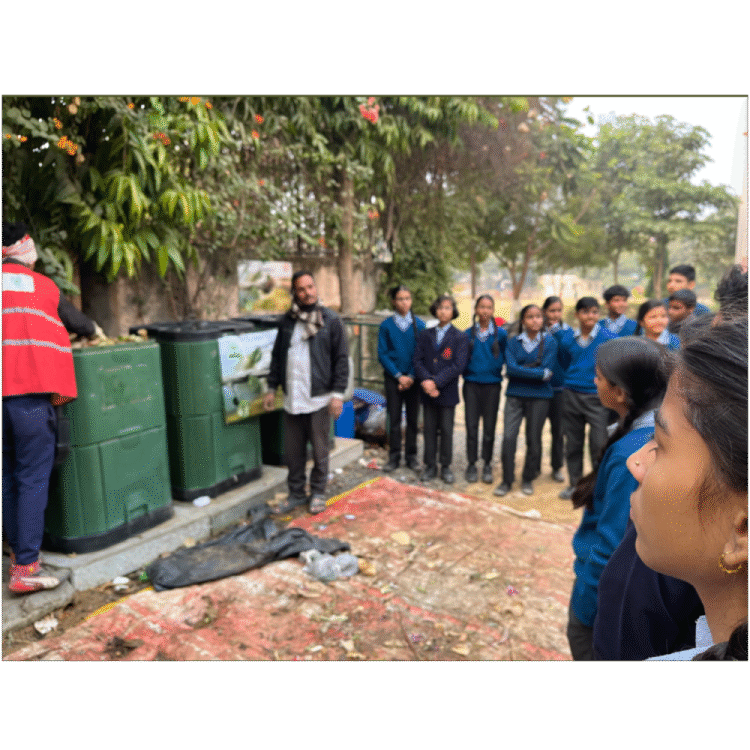
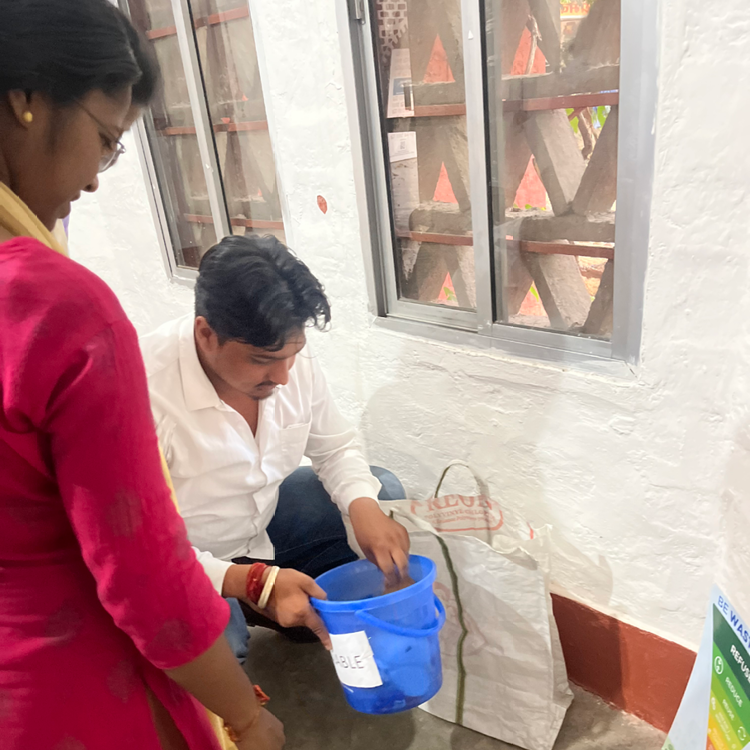
  • Introduce simple, practical changes — making waste segregation and recovery second nature.
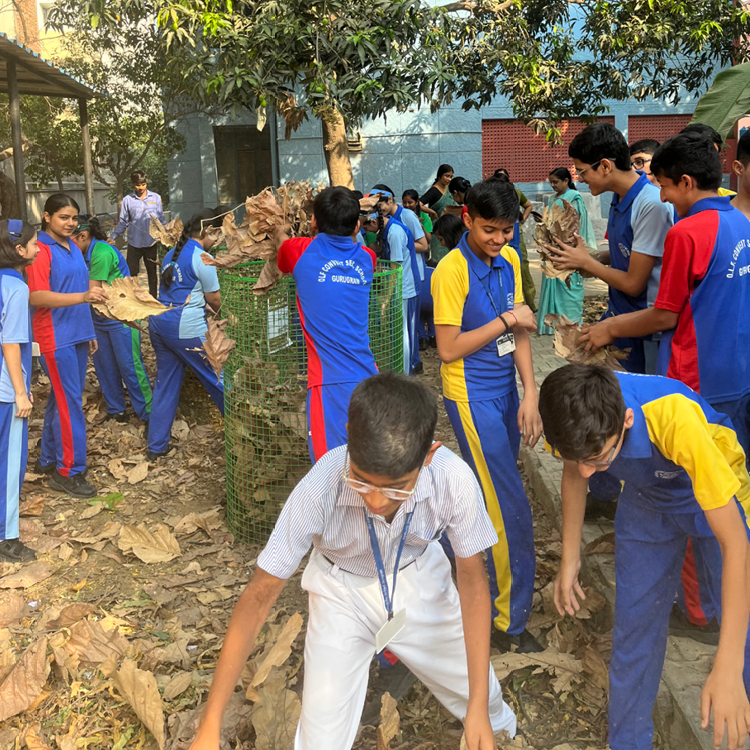
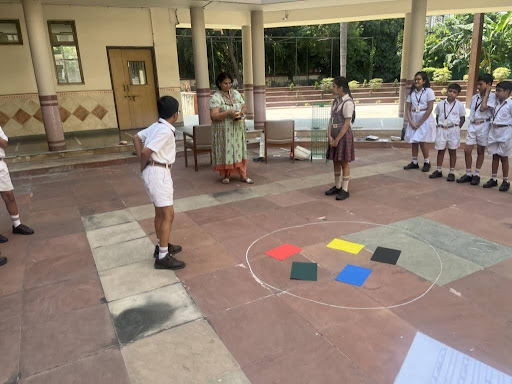
  • Organise monthly sessions and Action4Nature programs for every waste category.
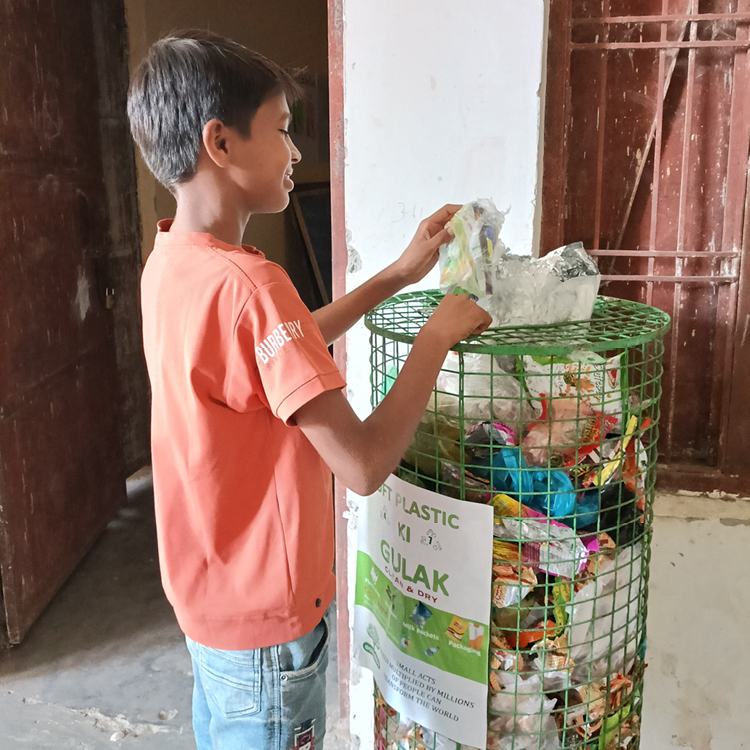
  • Create infrastructure and toolkits (Green Gulaks, ICT materials, and more).
  • Monitor and support until Zero Waste becomes the new normal.

With Project Nirantara, schools transform into hubs of environmental stewardship, nurturing changemakers who carry “care for the planet” beyond the campus walls and into their communities.

Programs focused on enabling the circular economy/circularity

Creating Sustainable Communities: Strengthening village ecosystems

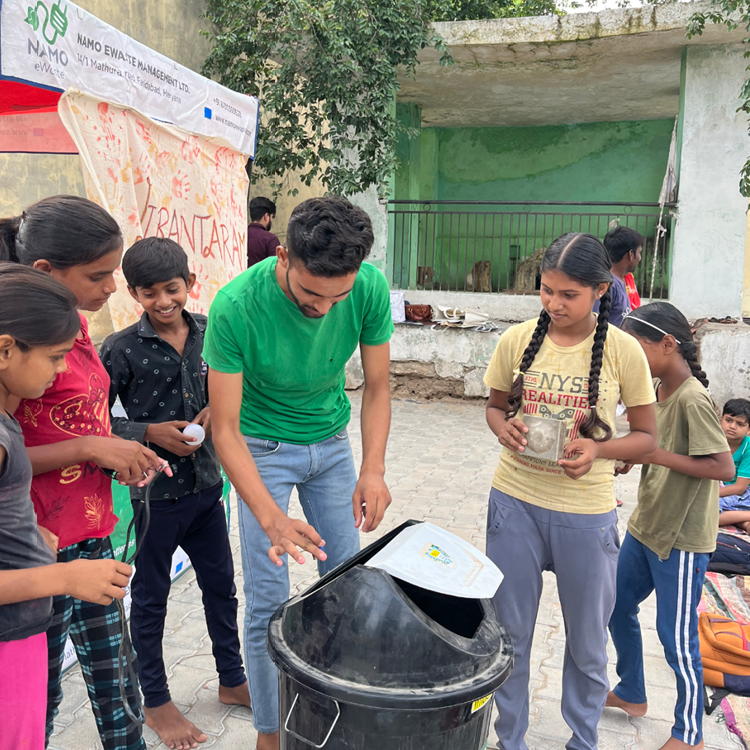
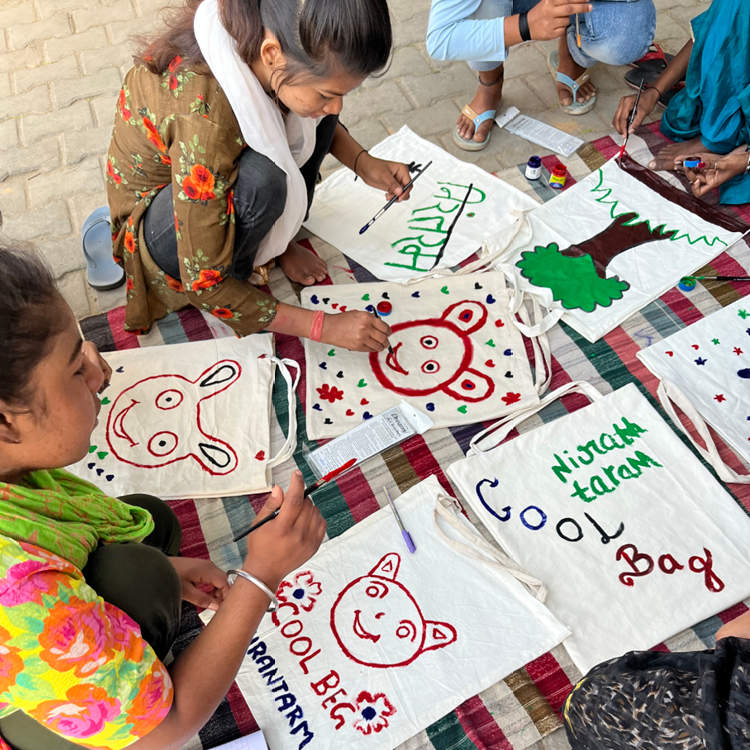
Project Nirantaram – Village Program

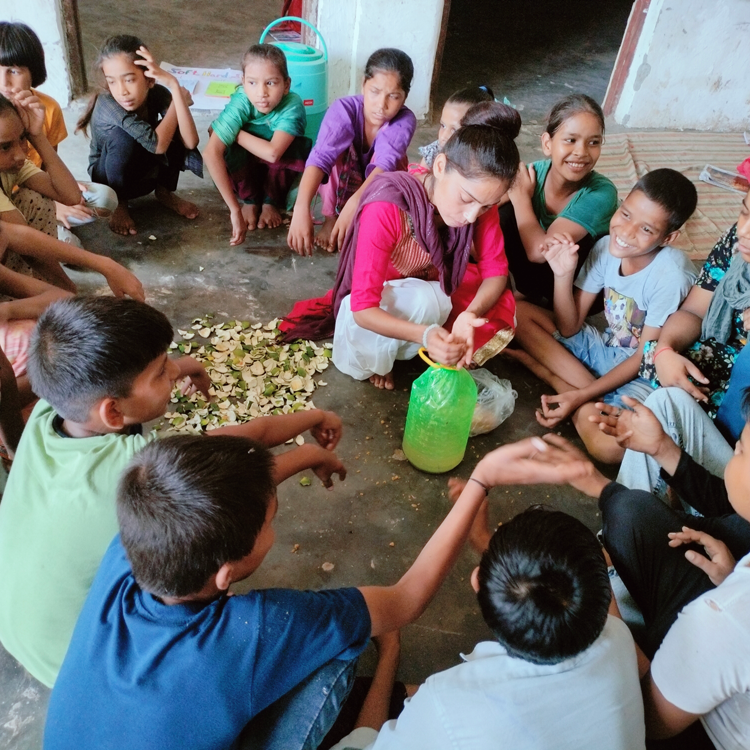
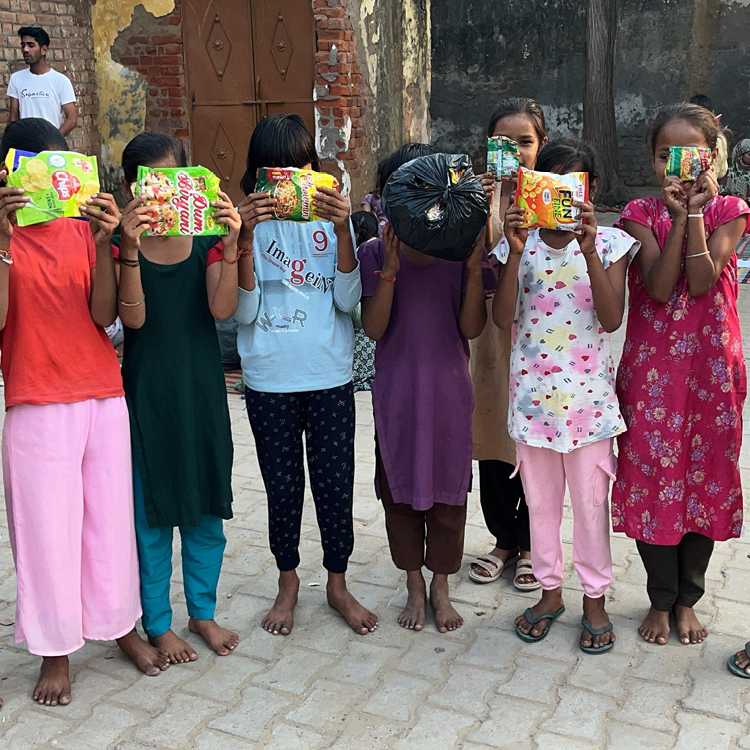
Rural waste is no longer just organic. Today, hazardous waste and plastics also find their way into village dumps, creating serious environmental and health concerns.

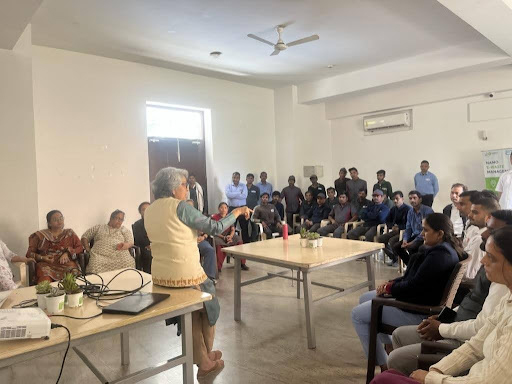
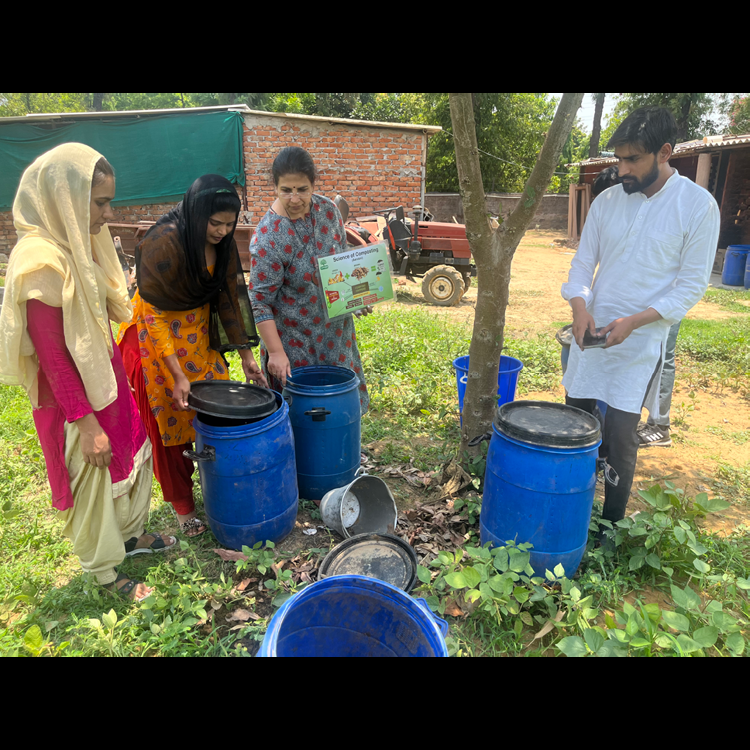
Launched in 2021Project Nirantaram is a  village program developed in collaboration with The Laksh Foundation for five Haryana villages — Sirohi, Alampur, Mangar, Dhauj, and Silakri village,  Faridabad block, Haryana to go Zero Waste.

Project Nirantaram aims to revive the “circular way of life” in rural areas, making waste a resource and cultivating a generation that chooses sustainability every day.

Create a model community living in harmony with nature, while adapting to modern needs.

Earthtree designs programs, builds capacity, curates modules, hand holds and mentors to create Eco leaders in the Village. 

  • Assess waste generation patterns and build actionable waste audits.
  • Train/Empowers  teachers, students, and volunteers as Eco‑Leaders.
  • Build localised waste recovery and recycling systems.
  • Launch Action4Nature initiatives for every waste category.
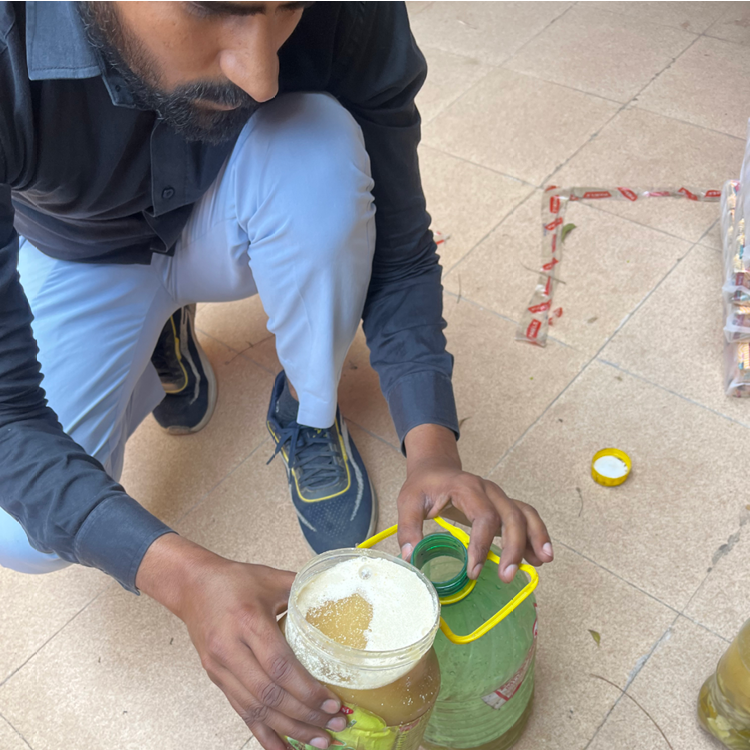
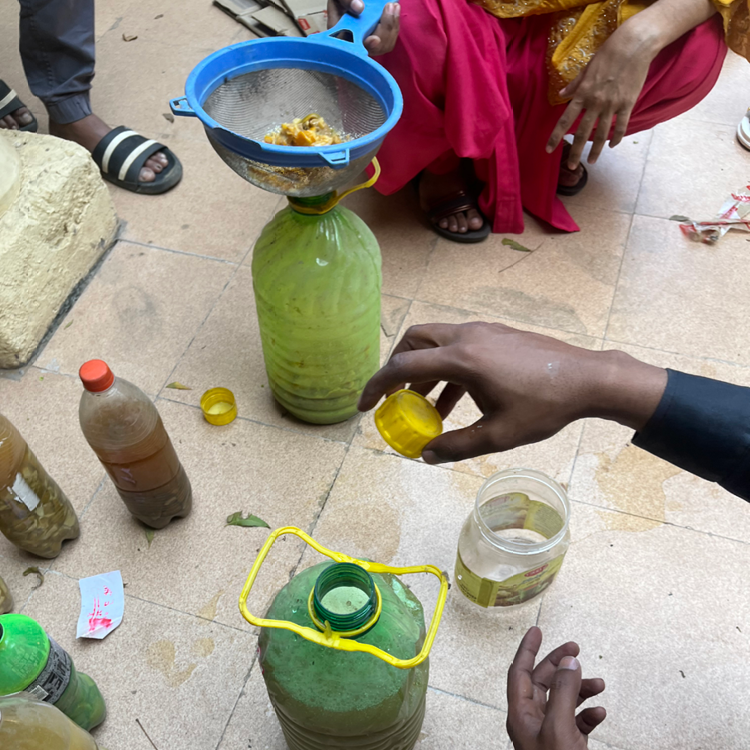
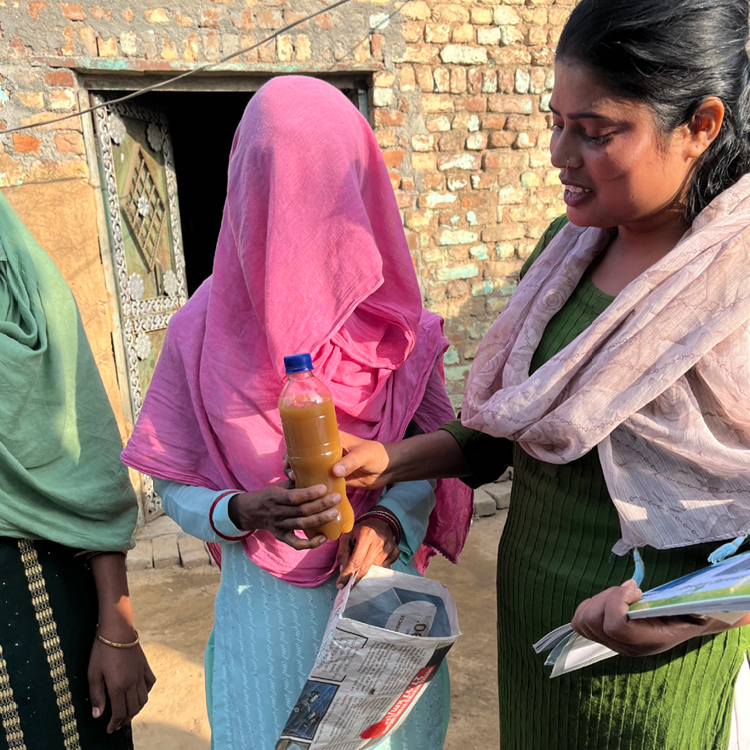
  • Promote sustainable livelihood opportunities like bio‑enzymes and paper maché.
  • Monitor and adjust processes for long‑term impact.

Why this matters:

  • Protecting the environment and health of rural communities.
  • Empowering rural youth to lead the shift towards sustainable living and long‑term prosperity.

Impact :

  • Helping 1,000 students and 40 teachers adopt a “Zero Waste” mindset.
  • Engaging over 5,000 families (~40,000 villagers) in waste segregation, recycling, and recovery.
  • Reducing plastic burning by 75%; increasing waste segregation across 60–80% of homes.
  •  500 kgs Small Paper and 1200 kgs ( approx. 4.8 lakh pcs.) Soft plastic recycled through the Green Gulak’s.
  • 150 kgs of E-waste recycled responsibly. 
  • 23 Kudi’s ( large village dumps) have gone from the 5 villages.

With Project Nirantaram, waste becomes “Punji” — a valued resource — and rural communities rediscover their heritage of living in harmony with nature.
Project Sarvada - Village Program

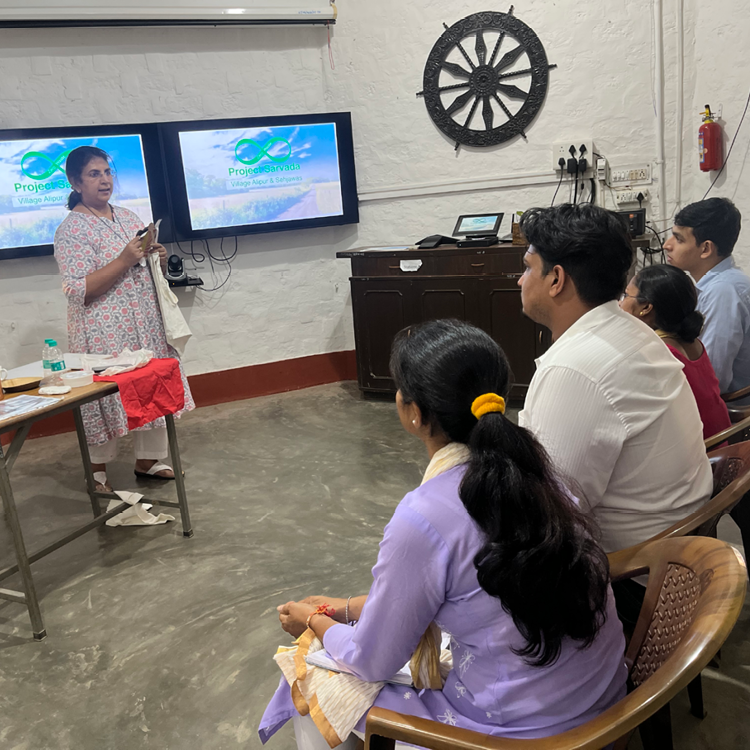
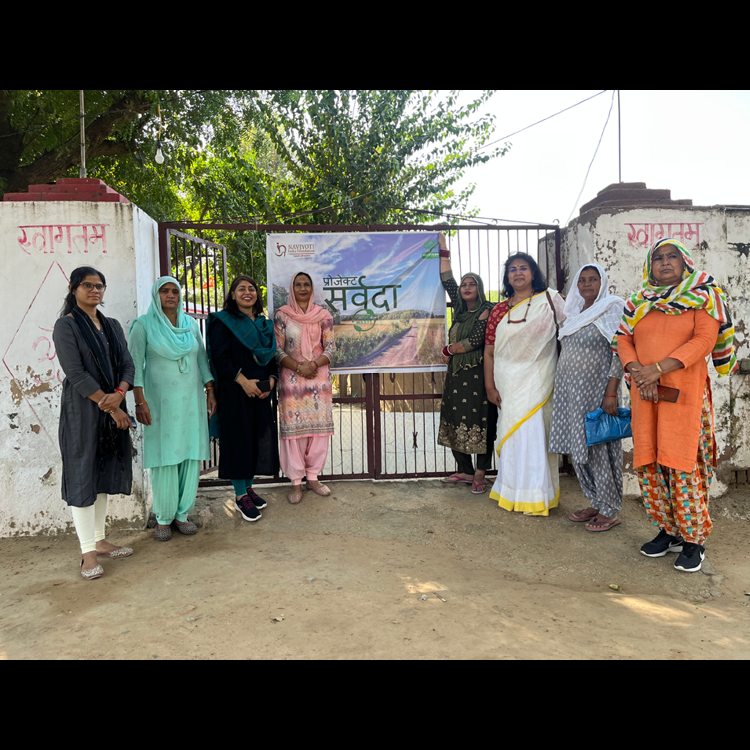
  • Launched in 2023, Project SARVADA is a village program developed in collaboration with Navjyoti India Foundation in Alipur village, Sohna block, Haryana.
  • Core Aim: To revive traditional, circular lifestyles where waste becomes a resource and sustainability is practiced daily.
  • Key Challenge Addressed:
    • Tackles mixed waste dumping and harmful waste burning, both common in rural areas.
    • Promotes alternatives that protect the environment and public health.
  • Community Engagement:
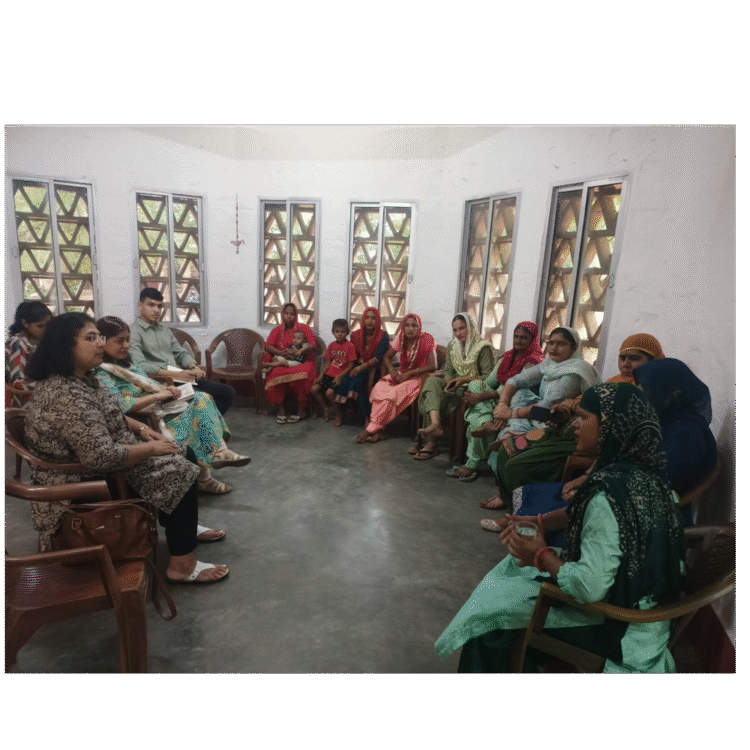
    • Works closely with the Sarpanch and ward committee members to ensure local ownership and on-ground impact.
    • Encourages elders and students to participate, preserving traditional practices of minimal waste generation.
  • Program Focus:
    • Building awareness on source segregation and the importance of treating waste as a resource.
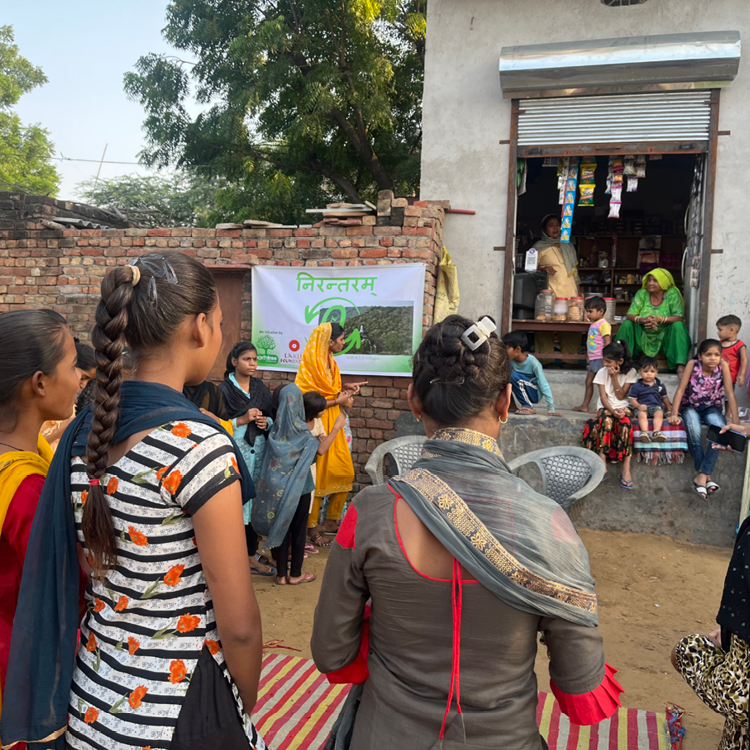
    • Supporting the village in developing a structured waste collection and disposal system.
    • Enable in closing the loop for each category of waste.
    • Enhancing earning of local recovery chains and creating new livelihood opportunities through adoption of circular economy.
    • Promoting eco-friendly options and encouraging ways to reduce waste generation.

Community E-Waste Recycling Programs

Community E‑Waste Programs

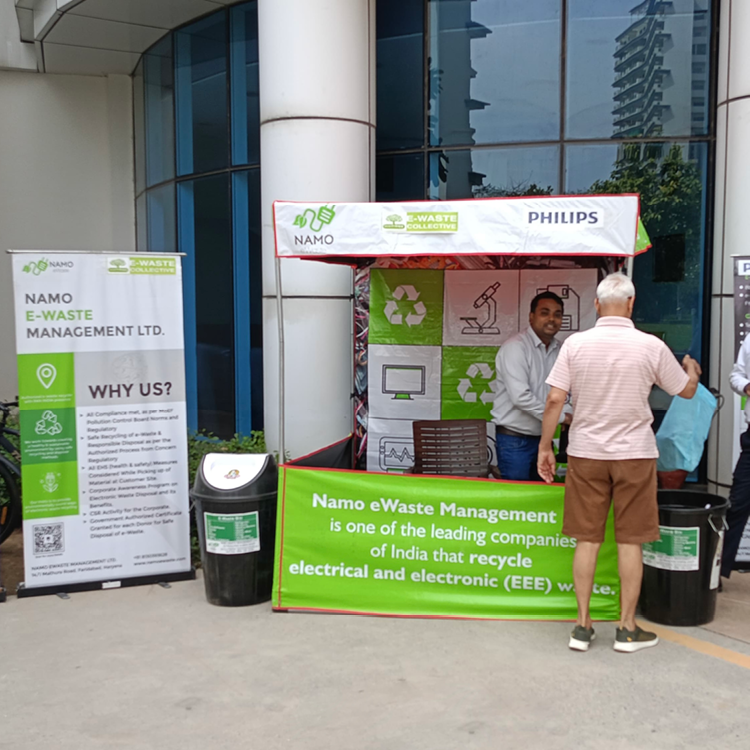
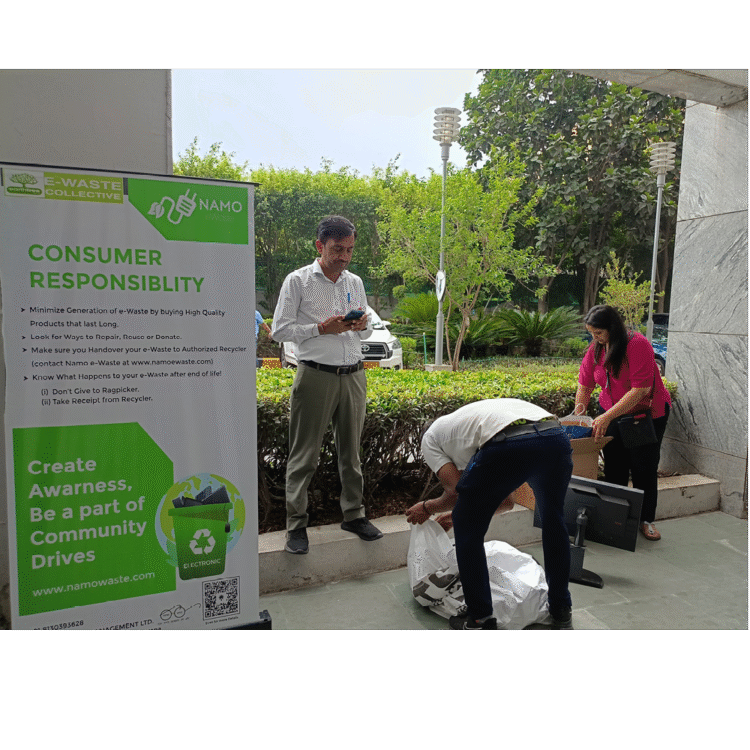
E‑waste might be a small fraction of household waste, but it’s one of the most toxic, carrying rare metals and releasing pollutants that impact both health and the environment. Yet over 90% of whatever e‑waste recycling happens is in the informal sector, exposing the informal workers to hazardous materials and releasing toxins into the environment. 70% of the toxins in the environment are on account of E-waste.

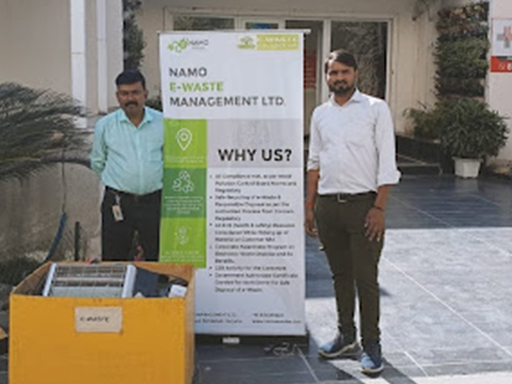
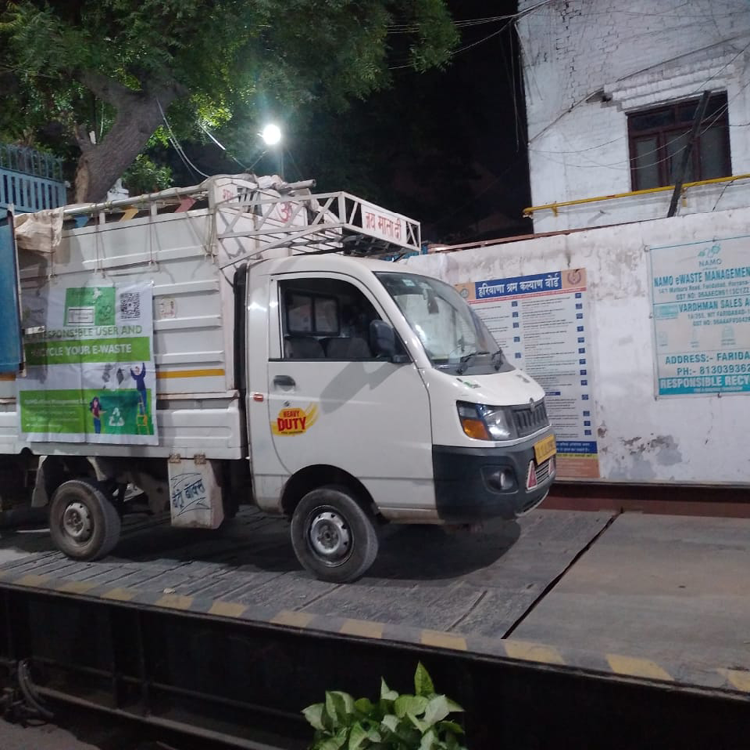
To bridge this gap, Smita Ahuja, founder Earthtree created the E‑Waste Collectives initiative in 2017, partnering with authorised recyclers like Namo E‑Waste and mobilising communities across neighbourhoods. Each community, as part of the collective, is led by a Waste Champion.

Earthtree runs this initiative now.

What we do:

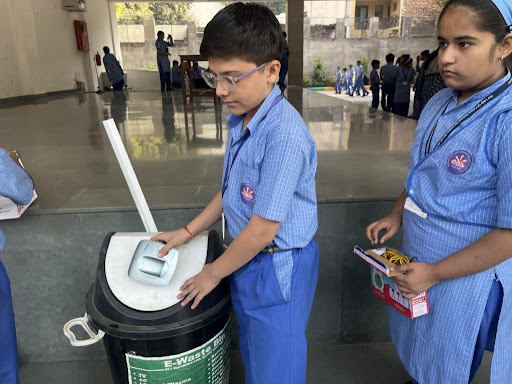
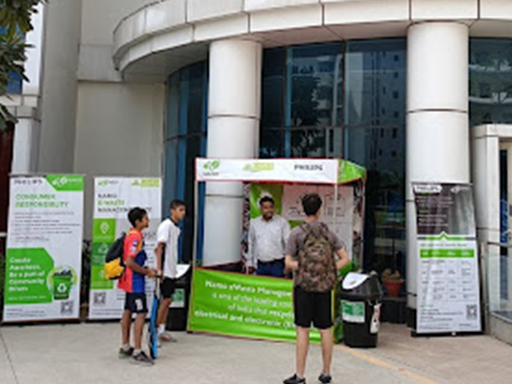
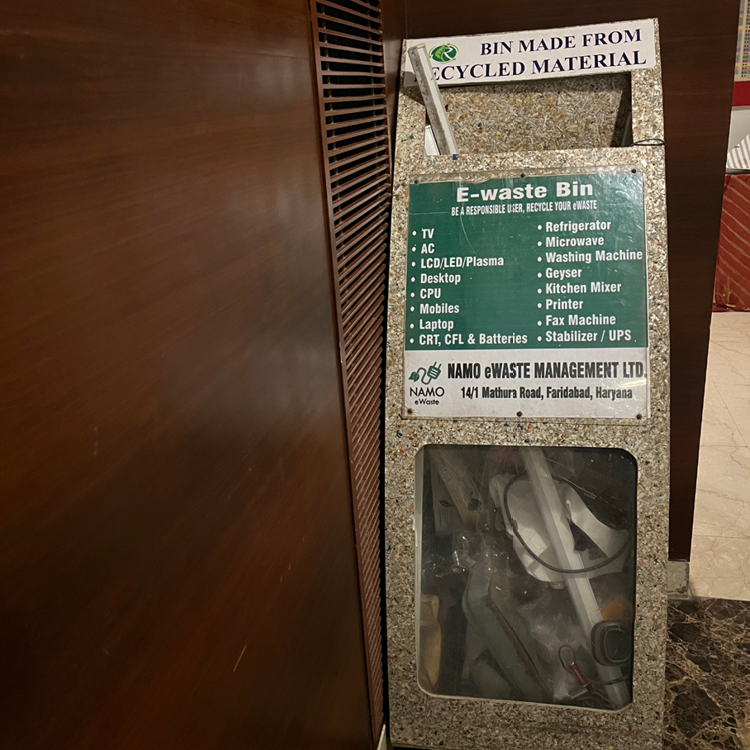
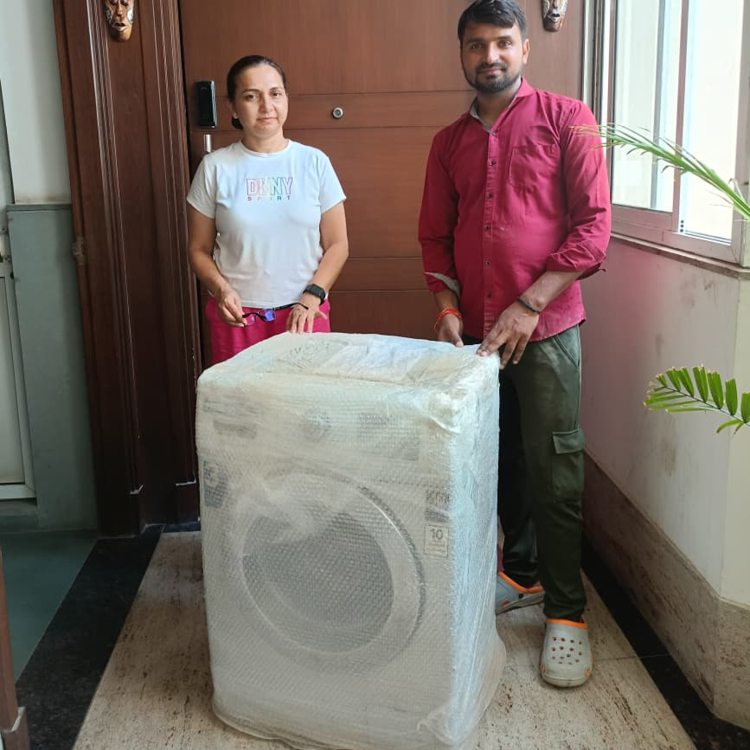
  • Install e‑waste bins in communities and organise monthly collections.
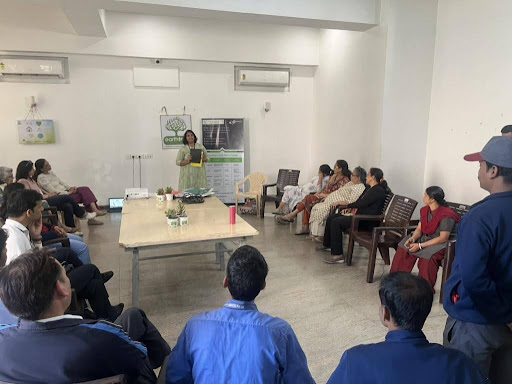
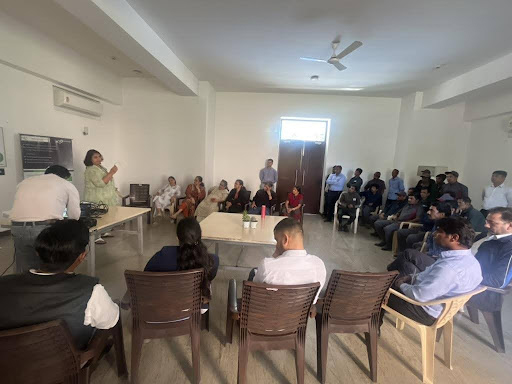
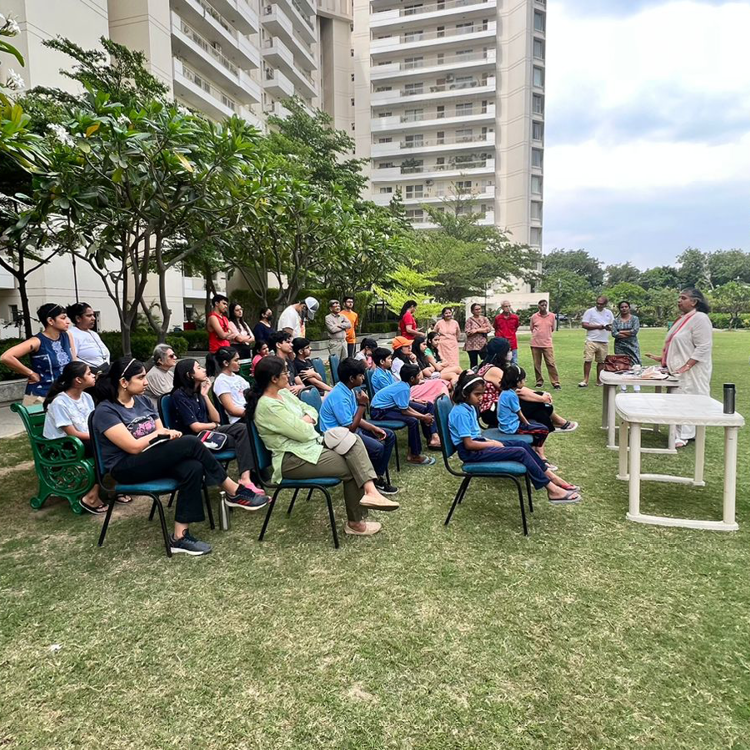
  • Build awareness about the impacts of e‑waste and the importance of recycling.
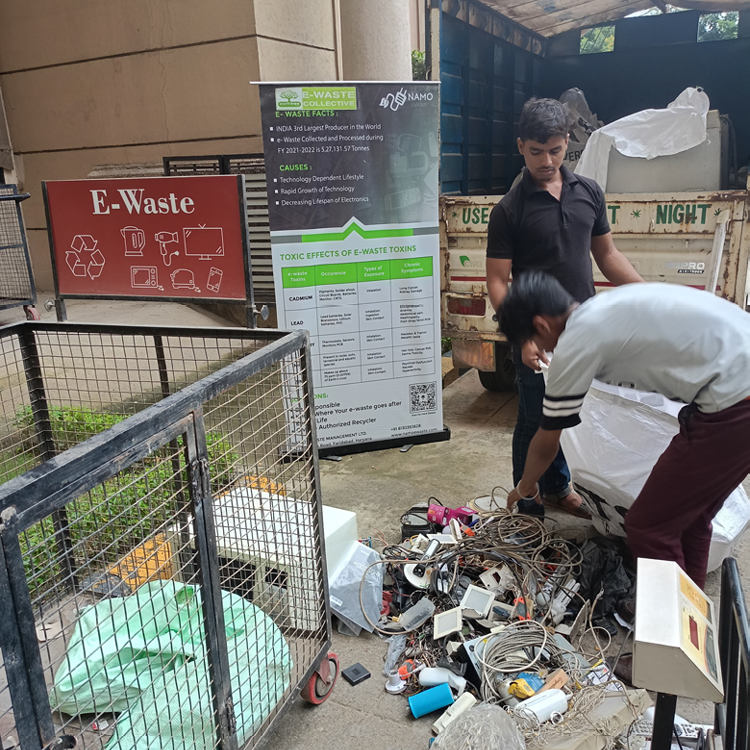
  • Organise special e-waste collection drives and empower  waste champions to educate their communities.

Impact :

  • 50+ communities (20,000+ Households) engaged.
  • 58,000+ kgs of e‑waste collected and recycled responsibly.
  • Reduced toxic waste from getting burnt or reaching the landfills.
  • Increasing resource recovery of precious and rare metals.

Through the E‑Waste Collectives initiative, we turn a growing urban challenge into an opportunity for environmental health and resource recovery — making responsible e‑waste disposal a way of life.

Programs focused on Youth and Women.
Offers Project Design to Marketing support to build sustainability and for the adoption of a Circular Economy.

Livelihood Program

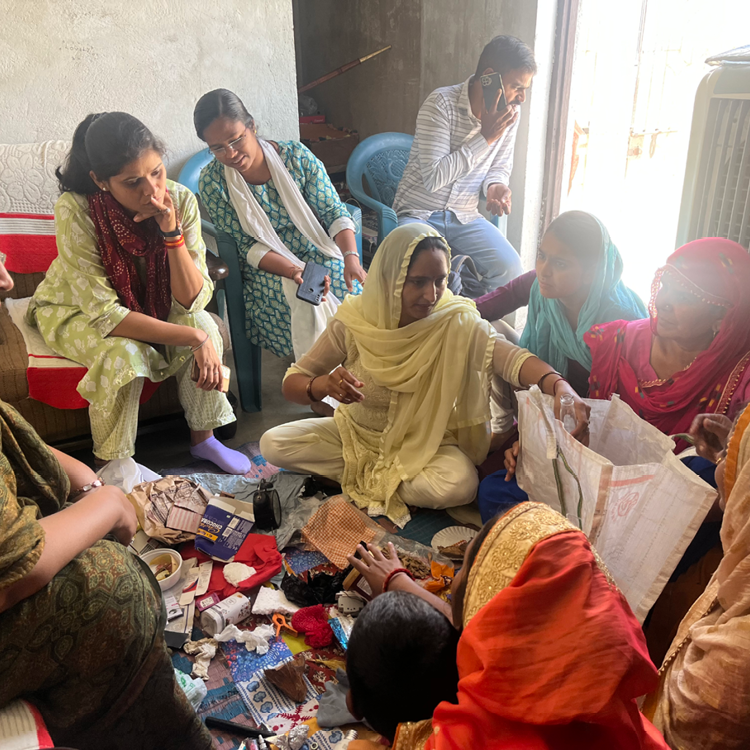
Launched in 2022, the Livelihood Program focuses on empowering youth and women by integrating circular economy principles into community development. The initiative seeks to augment household incomes by transforming locally generated waste into valuable, market-ready products. By tapping into traditional skills within the community, the program promotes waste-to-wealth solutions that are both sustainable and culturally rooted. From project design to marketing support, it offers end-to-end guidance to help rural entrepreneurs thrive. At its core, the program encourages a way of life centred around eco-friendly, chemical-free living, reinforcing sustainable habits within village communities.

Features:

  • Product and packaging development.
  • Capacity building.
  • Setting processes.
  • Step-by-step mentoring and monitoring.
  • Support in Marketing.

As part of this initiative, we run two key livelihood programs that exemplify the principles of circularity and chemical-free living.

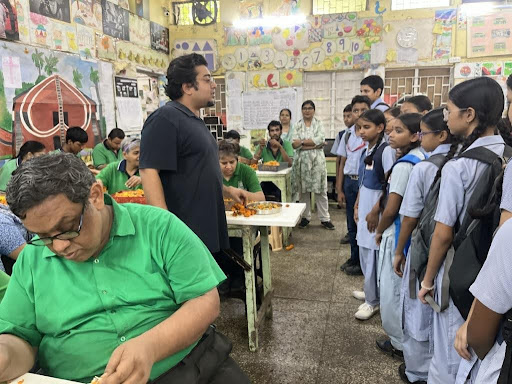
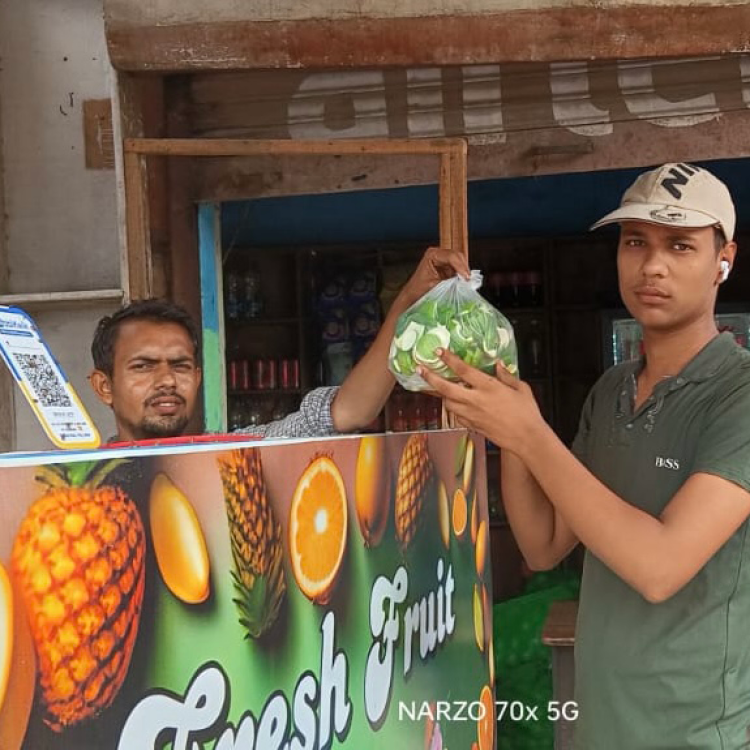
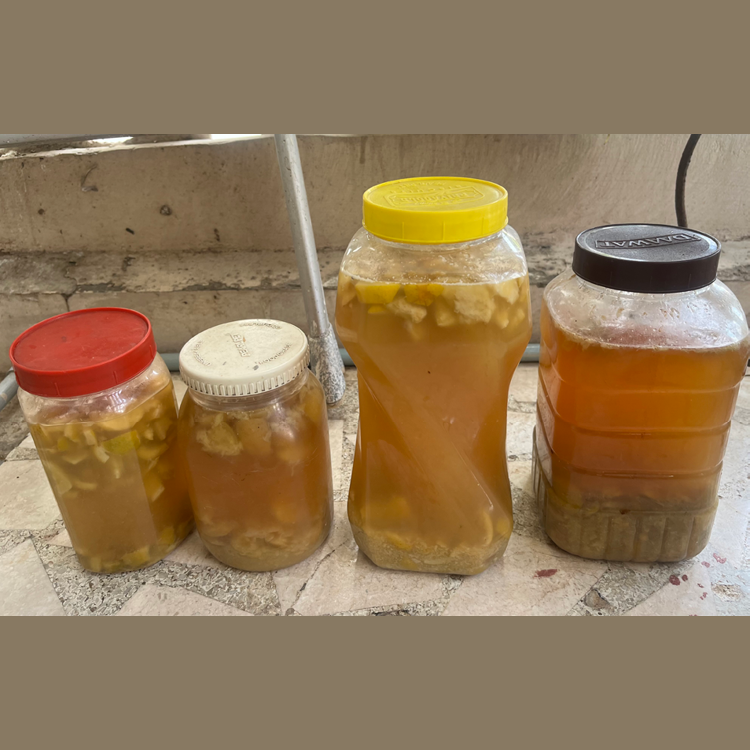
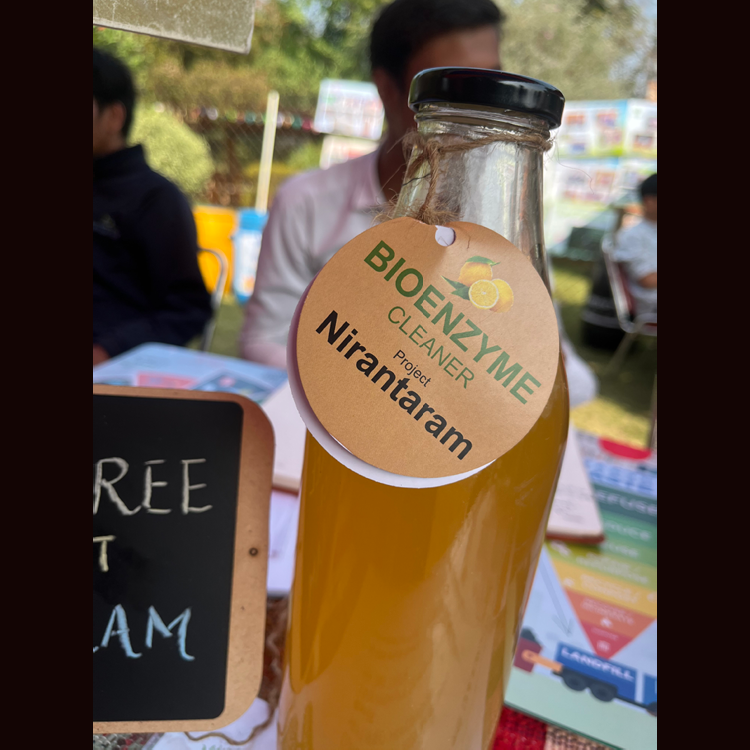
The first focuses on the making of bio-enzymes—a natural, multi-purpose liquid cleaner that offers a sustainable alternative to chemical-based products. This program encourages both urban and rural households to adopt healthier living practices while converting everyday kitchen waste into a valuable resource.

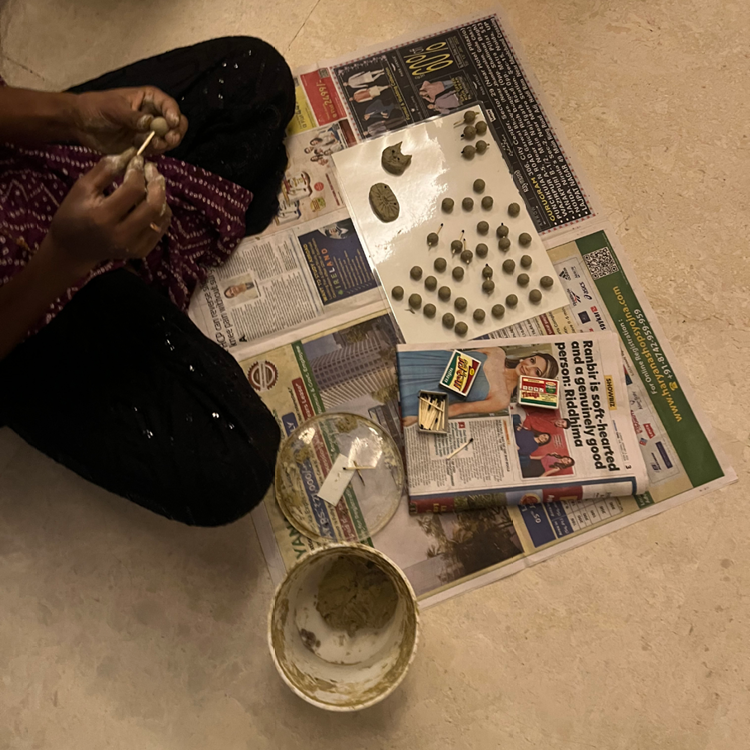
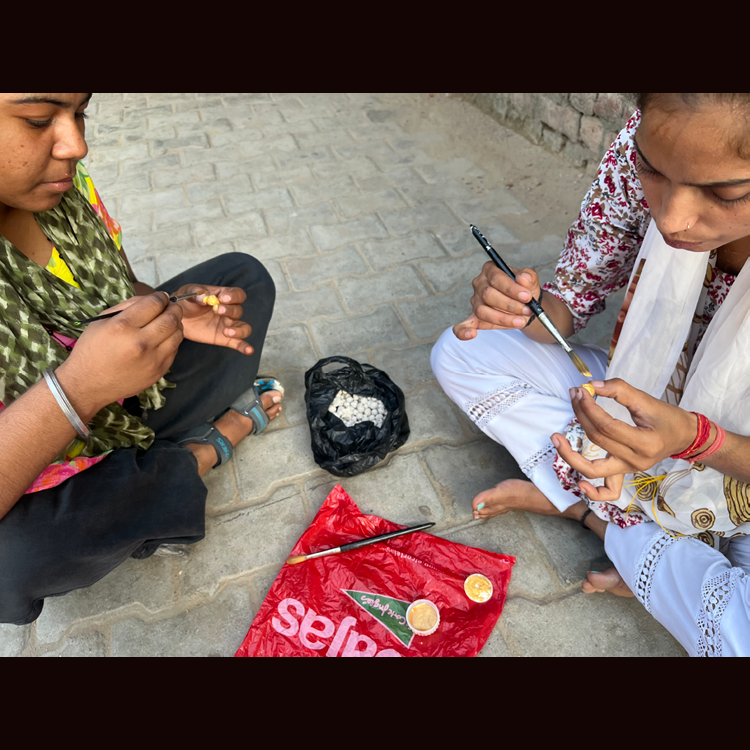
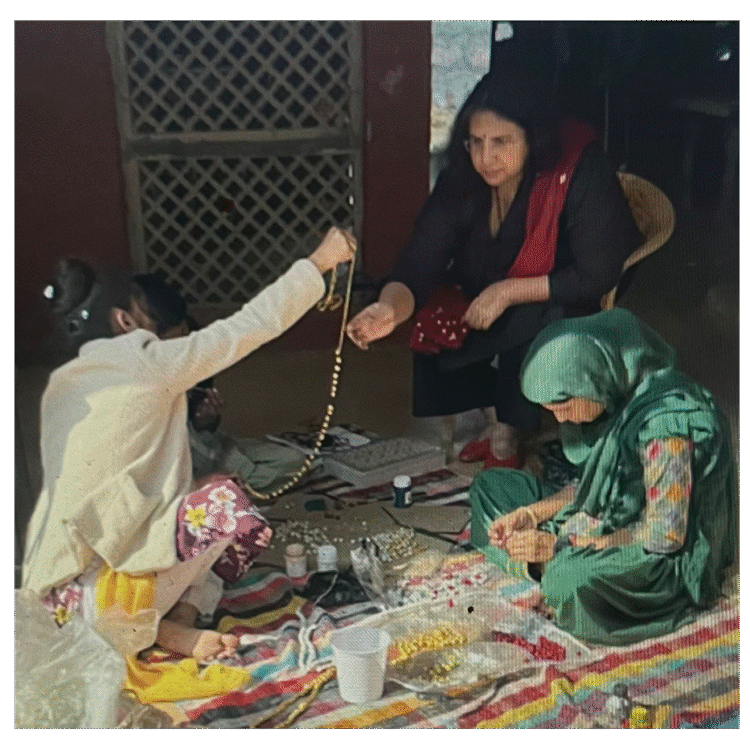
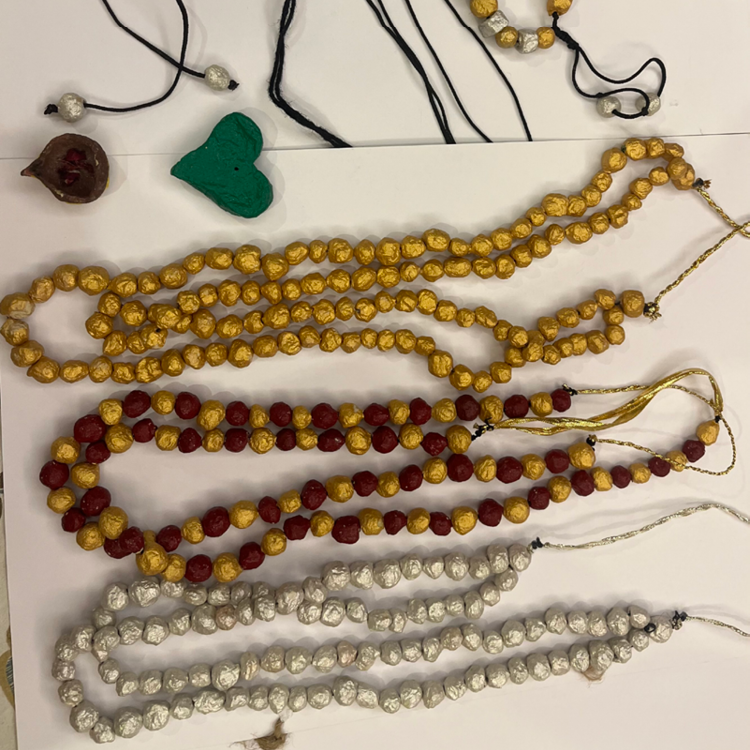
The second program involves crafting jewellery and decorative products using traditional paper mâché techniques, entirely free of harmful chemicals. By giving new life to low-grade paper waste, this initiative not only preserves age-old village practices but also empowers women with income-generating opportunities. These handcrafted items blend tradition with contemporary aesthetics, turning sustainable choices into stylish expressions.

Sign up to receive environmental news and updates by sending an email to connect@earthtree.org.in